The global labor market is evolving rapidly as companies search for new ways to access qualified professionals while maintaining operational flexibility and legal compliance. In this changing environment, the concept of a Global South workforce has become increasingly relevant for organizations seeking skilled professionals capable of working at a distance.
Businesses today are no longer limited by geography when structuring their teams. With digital collaboration tools and distributed work models becoming the norm, companies are exploring new talent communities where professionals are highly skilled, adaptable, and ready to contribute to international organizations.
However, employing professionals across borders can create legal and administrative complexity. Managing employment contracts, payroll, social contributions, and compliance with local labor laws requires a structured and reliable framework.
Talenteum provides this framework. As an ethical and compliant platform, Talenteum enables companies to work with qualified professionals while managing contracts, payroll, and legal obligations through Employer of Record (EOR) and workforce management solutions. With a presence in Mauritius, Madagascar, Kenya, Rwanda, Morocco, Tunisia, Côte d’Ivoire, Senegal, and Cameroon, Talenteum helps organizations build efficient distributed teams while ensuring compliance and sustainable workforce development.
The rise of a Global South workforce
Companies across industries are increasingly integrating international talent into their operational strategies. The Global South workforce represents a dynamic and growing pool of professionals capable of supporting organizations in areas such as technology, administration, finance, customer service, marketing, and digital operations.
These professionals bring a strong combination of academic training, practical experience, and adaptability to global business environments. Many are accustomed to working with international companies and collaborating across time zones using modern digital tools.
For organizations seeking flexibility and access to specialized skills, this workforce represents an opportunity to build agile and scalable teams capable of supporting business growth.

The Global South workforce is becoming a cornerstone of the future labor market.
Why companies turn to distributed and externalized talent
Externalized workforce models allow companies to organize their operations more efficiently while maintaining access to high-quality expertise.
Several factors explain the growing interest in working with professionals at a distance:
- Increasing demand for specialized skills
- Need for operational flexibility
- Desire to optimize organizational structures
- Ability to scale teams depending on project needs
Many organizations also recognize that distributed teams can improve productivity and resilience by diversifying talent sources and operational capabilities.
Professionals in countries such as Mauritius, Senegal, Morocco, Kenya, and Madagascar are increasingly integrated into global workflows thanks to their familiarity with collaborative technologies and professional standards.
Skills and strengths of African talent
The professionals within Talenteum’s community of talents possess diverse and valuable skills that enable them to contribute effectively to international companies.
Key strengths include:
- Strong academic training and technical expertise
- Proficiency in French and English
- Adaptability to different business cultures
- Experience using digital collaboration tools
- Strong organizational and communication skills
In addition to technical capabilities, many professionals demonstrate high levels of motivation and adaptability. These qualities are essential when working in distributed teams and collaborating with organizations across different regions.
The continuous development of digital skills and professional training programs further strengthens the competitiveness of these talents in global markets.
Cost efficiency and operational advantages
Working with a distributed workforce can provide significant operational advantages for companies seeking efficiency and scalability.
Externalizing certain roles allows organizations to:
- Optimize workforce costs
- Access specialized skills without long-term commitments
- Increase operational flexibility
- Scale teams depending on business needs
Remuneration levels vary depending on experience, qualifications, and job responsibilities. However, companies often find that working with professionals from Talenteum’s talent community provides an excellent balance between skill level and operational costs.
This cost efficiency enables organizations to invest more resources into innovation, product development, and strategic growth.
Legal and operational challenges when employing international talent
Despite the many advantages of distributed workforce models, companies may encounter several challenges when working across borders:
- Employment contract management
- Payroll administration
- Compliance with local labor laws
- Tax and social contribution obligations
- Workforce administration across multiple jurisdictions
Without proper support, these factors can create administrative complexity and legal risk for organizations.
This is where Talenteum plays a critical role.
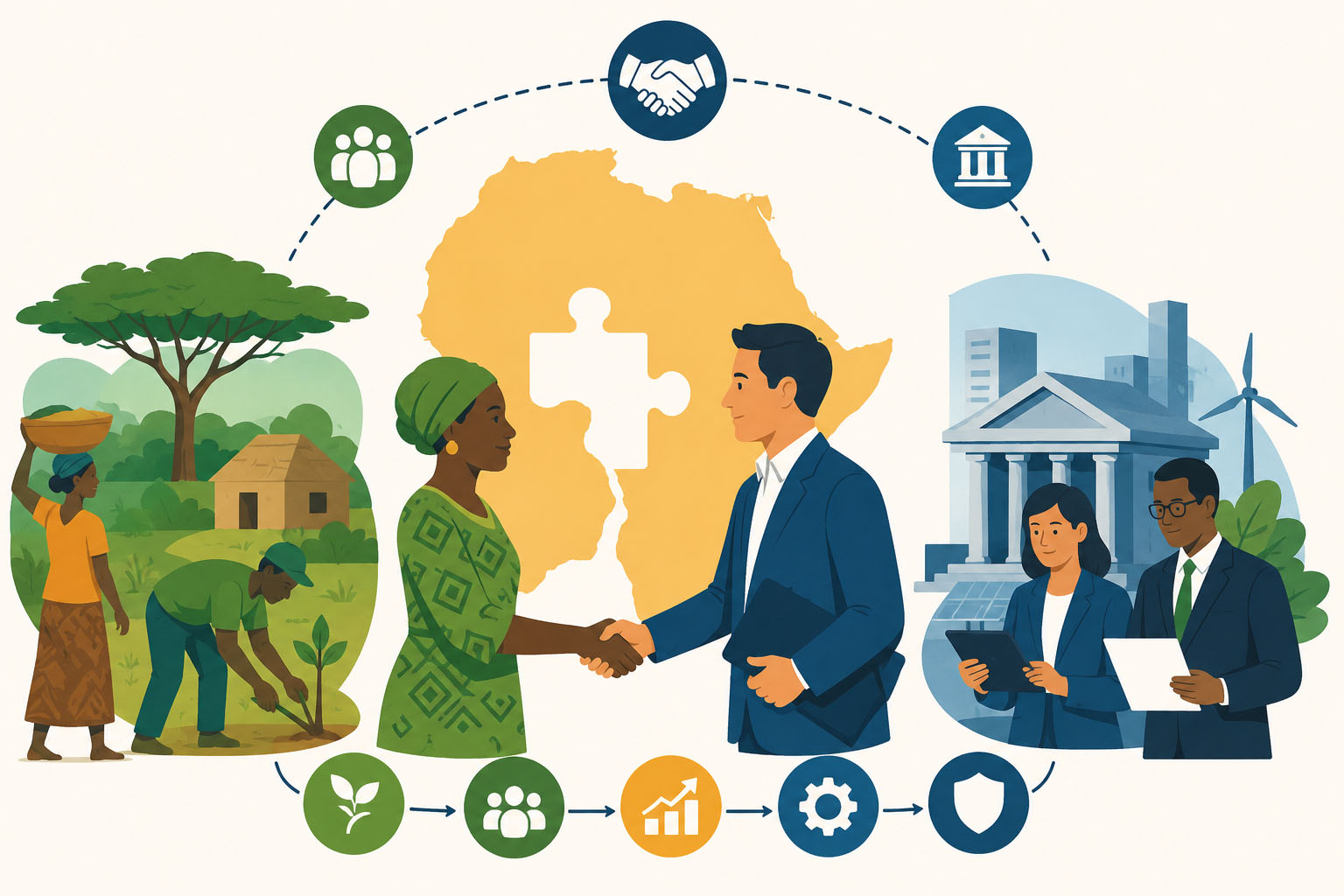
Talenteum structures global collaboration between companies and talent communities.
How Talenteum supports international workforce management
Talenteum provides structured solutions that enable companies to work with international professionals while ensuring legal compliance and operational efficiency.
Employer of Record (EOR)
Through the Employer of Record model, Talenteum becomes the legal employer of the professional. This means Talenteum manages:
- Employment contracts
- Payroll administration
- Social contributions
- Compliance with local labor regulations
The client company remains responsible for managing the professional’s daily activities while Talenteum handles administrative and legal responsibilities.
Freelance collaboration
Talenteum also facilitates collaboration with freelancers who work in distanciel environments. The platform manages contracts and payments, ensuring secure and compliant professional relationships.
International payroll and workforce administration
Talenteum supports companies by managing payroll and workforce administration across its operational countries, simplifying complex cross-border processes.
This allows companies to build distributed teams without establishing local legal entities.
Future trends in the global workforce
The international labor market is moving toward increasingly flexible and distributed workforce models. Several trends are shaping the future of work:
- Expansion of distributed teams
- Growth of externalized functions
- Increasing reliance on digital collaboration tools
- Development of global talent communities
Companies that adapt to these changes can access broader talent pools and improve their operational resilience.
Platforms that provide legal compliance and workforce management support will play a key role in enabling these transformations.
Building a Global South workforce offers companies a powerful opportunity to expand their access to qualified professionals while improving operational flexibility.
However, international workforce management requires reliable legal frameworks, efficient payroll systems, and strong compliance practices.
Talenteum provides these capabilities through its Employer of Record (EOR) services, workforce management solutions, and compliant collaboration frameworks. By managing contracts, payroll, and legal obligations, Talenteum allows companies to focus on business operations while working with qualified professionals across multiple countries.
Talenteum has become a trusted platform for organizations seeking to structure distributed and externalized teams while supporting employment creation, skills development, and sustainable economic growth within its talent community.
FAQ – Building and Managing a Global South Workforce
A Global South workforce refers to professionals based in emerging and developing regions who collaborate with international companies through remote work or distributed team structures. These professionals contribute to areas such as technology, customer support, administration, finance, and digital operations while working for organizations located in different countries.
Organizations are turning to Global South talent to access skilled professionals, improve operational flexibility, and build scalable teams. Distributed workforce models also allow companies to diversify talent sources while maintaining productivity and resilience in a rapidly evolving global labor market.
Hiring professionals across borders can create administrative and legal challenges, including employment contract management, payroll processing, tax obligations, and compliance with local labor laws. Without proper support, managing these requirements across multiple countries can become complex.
An Employer of Record acts as the legal employer on behalf of a company. The EOR manages employment contracts, payroll, social contributions, and compliance with local labor regulations, allowing the client company to focus on managing the employee’s daily work.
Companies often hire professionals for roles in software development, IT support, digital marketing, customer service, finance, administration, and project management. Many of these professionals are experienced in working with international companies and remote collaboration tools.
Distributed teams provide greater flexibility, access to diverse talent pools, and the ability to scale operations according to business needs. They also enable companies to operate across time zones and improve organizational resilience.
Talenteum provides structured workforce solutions that allow companies to work with international professionals while ensuring legal compliance. Through services such as Employer of Record, payroll management, and freelancer collaboration frameworks, Talenteum simplifies international workforce management and helps organizations build efficient distributed teams.
👉 Contact us to discuss your project and avoid the pitfalls of international outsourcing.
Hiring staff in Africa is increasingly strategic for international companies looking to scale efficiently, access skilled talent, and optimize costs.